How First-Time Car Importers Lose Money (and How to Avoid Those Mistakes)
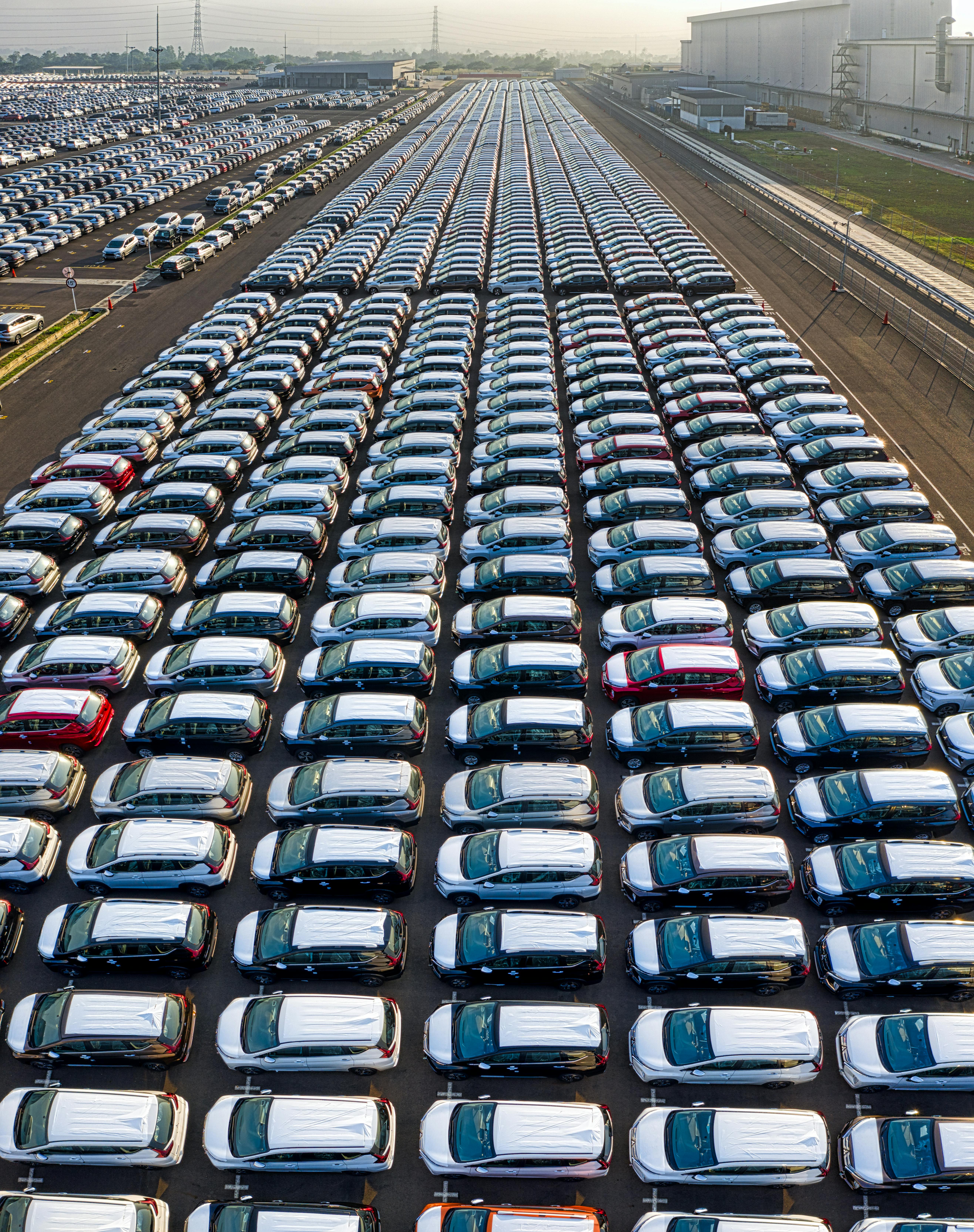
Importing your first vehicle from the UK or Japan may seem straightforward: find a car, ship it, clear it through customs, and resell it for a profit. However, first-time importers consistently lose money, sometimes as much as KES 100,000 or more, because they make predictable, avoidable mistakes.
At UK Roadrunner, we've helped hundreds of first-time importers avoid these pitfalls. This guide walks you through the seven biggest money-losing mistakes and exactly how to prevent them.
Mistake #1: Sourcing the Wrong Vehicle Without Professional Inspection
The Problem: Buying Damage You Can't See
Most first-time importers find a vehicle online that looks good in photos, negotiate a price with a UK or Japan seller, and commit to purchase without professional inspection. They trust the seller's description or assume the vehicle is fine.
Then it arrives in Kenya. The engine has a knock. The transmission slips on acceleration. The interior has hidden mould damage from a previous flood. The car that looked like a KES 1.2 million bargain is actually worth KES 800,000 after repair costs.
This mistake can cost first-time importers KES 150,000–400,000 per vehicle.
How to Avoid It: Pre-Purchase Professional Inspection
Before committing to any vehicle, whether sourced from the UK market or Japan, have a professional inspect it in person or via video inspection.
For UK sourcing, the inspection should verify engine condition, transmission function, suspension integrity, and paint authenticity (accident history detection). Japan sourcing: auction house reports are available, but independent verification is still valuable.
Mistake #2: Misjudging Vehicle Value and Market Demand
The Problem: Buying at Peak Price, Selling in a Flooded Market
First-time car importers often lack market knowledge. They spot a vehicle at what seems like a good price in the UK (peak season, high demand) and import it without understanding the Kenyan or African market demand.
Then their vehicle arrives in Kenya when 50 other importers have imported the same model. Market oversupply drives prices down 20–30% immediately. The vehicle that cost them KES 1.5 million now sells for KES 1.2 million. They've lost KES 300,000 before accounting for holding costs.
How to Avoid It: Research Market Demand Before Sourcing
Before importing, research what vehicles are selling locally. Check Facebook Marketplace and dealer lots. Understand which models have consistent demand and which are saturated.
Import vehicles that are in short supply locally but available in the UK or Japan. This creates natural demand and stronger resale margins.
For example, in 2024, Toyota Hilux pickups were in high demand in Kenya but were difficult to source affordably in the UK. Japanese sourcing filled this gap. First-time importers who recognised this trend succeeded; those who imported arbitrary vehicles struggled.
Mistake #3: Underestimating Shipping Costs and Damage Risk
The Problem: Cheap Shipping Creates Expensive Damage
When importing a car from the UK to Kenya or from Japan to Kenya, first-time importers often focus on one thing: the lowest shipping quote.
They compare prices for RoRo, containerised shipping, or shared containers and immediately select the cheapest option—without examining who is actually handling the shipment, which shipping line is involved, what route the vessel takes, or which port the vehicle will clear through.
It’s important to clarify: RoRo, containerised shipping, and even shared containers can all be reliable when handled correctly. The shipping method itself is not the risk.
The risk arises when importers choose an unknown or untested freight provider purely to reduce upfront cost.
In other cases, importers underestimate shipping timelines. Vessel schedules can shift due to weather, port congestion, or transhipment changes. When documentation is not submitted promptly, vehicles sit at the port longer than necessary, accumulating storage and demurrage charges. An extra two to three weeks at port can add KES 30,000–50,000 or more to the total cost.
Shipping patterns matter. Some ports historically experience higher congestion or weaker security oversight. A professional exporter like UKRoadRunner understands these patterns and advises on safer departure ports, alternative vessel routes, or more efficient clearing ports based on experience. Without this insight, first-time importers unknowingly increase exposure.
How to Avoid It: Plan Shipping Strategically
The solution is not simply “choose container over RoRo". The solution is structured decision-making.
For higher-value vehicles, a dedicated container may provide additional protection and peace of mind. For many vehicles, RoRo is perfectly suitable when shipped through established lines within a trusted network. Shared containers can also work well when managed by experienced logistics partners who secure loading properly and arrange comprehensive insurance.
Plan for 6–8 weeks total shipping time. Budget for potential delays. Fast-track clearing at Mombasa (KES 15,000–25,000) reduces port storage time from 3 weeks to 3 days, saving money and reducing damage risk.
At UK Roadrunner, we advise clients based on vehicle value, destination country, urgency, and risk profile. We work within trusted logistics networks that have been tested, approved, and proven over time. Our role is to evaluate not just cost, but exposure.
Because in car imports to Kenya and right-hand drive car exports across East and Southern Africa, the difference between a smooth delivery and an expensive lesson is rarely the shipping method itself. It is the strength of the network behind it.
Mistake #4: Inadequate or Wrong Insurance Coverage
The Problem: Insurance Gaps Leave You Unprotected
Standard shipping insurance covers total loss and theft but explicitly excludes paint damage, dents, scratches, and interior staining—the most common damage types in transit.
First-time importers assume "insurance" means they're covered. Then damage occurs, they file a claim, and the insurer denies it because the policy excludes "normal transit wear". Now they're out KES 100,000–200,000.
This mistake costs first-time vehicle importers through uninsured damage or inadequate coverage.
How to Avoid It: Get All-Risks Shipping Insurance
Specify "all-risks coverage" when arranging shipping. This costs 30–50% more than standard insurance but covers transit damage (paint, glass, and interior moisture damage).
For high-value vehicles (£15,000+), professional importers also carry garage liability insurance and equipment coverage.
Document your vehicle's condition before shipping with professional photos and video. This is critical for claims, as insurance won't pay without clear proof that damage occurred during shipping, not before.
Mistake #5: Miscalculating Duty and Taxes
The Problem: KRA Duty Surprises Exceed Budgets by KES 100,000+
First-time importers often miscalculate duty because they don't understand valuation methodology. They might declare a vehicle at wholesale price (to minimise duty) only to have KRA challenge the valuation and reassess at a higher commercial price.
KRA duty on a vehicle ranges from 20 to 35% depending on vehicle age and value. A miscalculation of KES 100,000 in declared value can mean KES 20,000–35,000 in additional duty plus penalties.
Additionally, first-time importers forget ancillary costs: KEBS compliance, import declaration fees, and clearing agent fees. These could add up to KES 30,000–50,000 in surprise expenditures.
How to Avoid It: Work with Experienced Clearing Agents
Use professional clearing agents (not amateur friends). Experienced agents understand KRA valuation methodology and can legitimately optimise duty declarations using comparables and condition documentation.
Budget 25–30% of the vehicle cost for duty, taxes, and clearing, not 20%. This conservative estimate prevents surprises.
For Japan sourcing, understand that Japan auction prices aren't equivalent to UK retail prices, and KRA knows this. Declare realistically based on vehicle condition and age, not auction price.
Mistake #6: Choosing Wrong Sourcing Market (UK vs Japan) for Your Vehicle Type
The Problem: Sourcing Incompetence Wastes Time and Money
First-time importers often don't understand the differences between UK and Japan sourcing. Both markets have right-hand drive vehicles (critical for East and Southern Africa car imports), but vehicle availability, pricing, and quality vary dramatically.
For example:
Japanese sourcing is better for: Compact cars (Japanese brands dominate), fuel-efficient vehicles, newer model years, vehicles under KES 1 million
UK sourcing is better for: Luxury vehicles (Mercedes, BMW, Range Rover), high-mileage but rare models, older classics, vehicles over KES 1.5 million, niche models
A first-time importer might source a Toyota Corolla from the UK at a premium price when the same vehicle costs 20% less from Japan. Or they might source a Range Rover from Japan (unavailable/premium) when UK sourcing is abundant and cheaper.
This mistake costs first-time importers KES 100,000–300,000 per vehicle through suboptimal sourcing.
How to Avoid It: Understand Your Sourcing Markets
UK sourcing excels at luxury, premium, and speciality vehicles. Japan excels at affordable, practical, fuel-efficient vehicles, especially Japanese brands.
Before sourcing, research where your target vehicle is typically sourced. Leverage both markets strategically. For example: source a Toyota from Japan (lowest cost), source a Mercedes from the UK (best selection), and source a Land Rover from the UK (rare in Japan).
Professional importers maintain relationships in both markets and source strategically per vehicle type. First-time importers should do the same or partner with someone who does.
Mistake #7: Poor Timing and Extended Holding Costs
The Problem: Importing Without a Resale Plan
First-time importers often import a vehicle without a resale strategy. The car arrives, they haven't pre-marketed it, and it sits in storage for 4–6 weeks before selling. Storage costs accumulate, and the vehicle's condition degrades (tyres flat-spot, interior collects dust, battery drains).
Additionally, first-time importers often import during peak season, when supply is high, and prices are competitive. Their vehicle competes with 100 others instead of filling a market gap.
This mistake costs first-time importers in holding costs and lost margin.
How to Avoid It: Plan Resale Before Importing
Before importing, understand your resale strategy. Who will buy this vehicle? At what price? What's your timeline to sell?
Import vehicles that fill market gaps—not vehicles that are already plentiful. For example, if the Kenya market has excess sedans but is short on fuel-efficient hatchbacks, source hatchbacks.
Time imports strategically. Import in off-peak seasons when supply is lower, and margins are higher. This requires planning 8–12 weeks ahead, which first-time importers rarely do.
Market the vehicle while it's in transit. By the time it arrives at Mombasa, you should have pre-qualified buyers ready to view it immediately upon clearing. This minimises holding time and risk.
How UK Roadrunner Helps First-Time Importers Avoid These Mistakes
At UK Roadrunner, we specialise in car imports from both the UK and Japan to Kenya, East Africa (Tanzania, Uganda), Southern Africa (Botswana, Zambia, Zimbabwe), and global RHD markets. We help first-time importers avoid money-losing mistakes through:
Professional vehicle sourcing from both the UK and Japan markets. We inspect vehicles thoroughly, verify authenticity, and negotiate optimal pricing. We never source vehicles that don't meet our quality standards.
Strategic sourcing based on market demand. We understand what vehicles are in demand in Kenya, Tanzania, Uganda, and Southern Africa. We source accordingly, ensuring your import has a ready buyer.
Optimised shipping and logistics. We arrange sealed container shipping with all-risks insurance. We have established relationships at Mombasa port, securing fast-track clearing and private storage. We minimise damage risk and holding costs.
Expert duty calculation and clearing. Our clearing team works with KRA to optimise duty declarations legally. We handle all documentation accurately, avoiding surprises and penalties.
Strategic UK and Japan sourcing. We maintain relationships in both markets and source strategically per vehicle type. Luxury vehicles come from the UK. Practical, affordable vehicles come from Japan. You get optimal pricing and selection.
Timeline management and resale strategy. We coordinate from sourcing through delivery, ensuring your vehicle clears quickly, and you can market immediately. We provide guidance on realistic resale pricing and timelines.
The Bottom Line: First-Time Importers Can Succeed
First-time importers lose money through predictable mistakes: poor vehicle sourcing, inadequate insurance, shipping damage, duty miscalculation, wrong sourcing market choice, and poor timing.
But these mistakes are entirely avoidable. By working with professional importers who specialise in UK and Japan sourcing for African RHD markets, by planning strategically, and by understanding the real costs involved, first-time importers can import profitably from day one.
Don't learn these lessons the expensive way. Let UK Roadrunner guide your first import. We'll help you source the right vehicle from the right market, ship it safely, clear it efficiently, and resell it for maximum profit.
Ready to import the right way? Contact UK Roadrunner for a free first-time importer consultation. We'll walk you through every step and ensure your first import is successful and profitable.
.png?alt=media&token=ec4d26b4-4ff3-4a95-bec1-3ec43ae8a5b4)
.png?alt=media&token=761162f5-428b-481b-b29b-9f57a208d011)