How Vehicle Age Affects Car Import Duty in Kenya
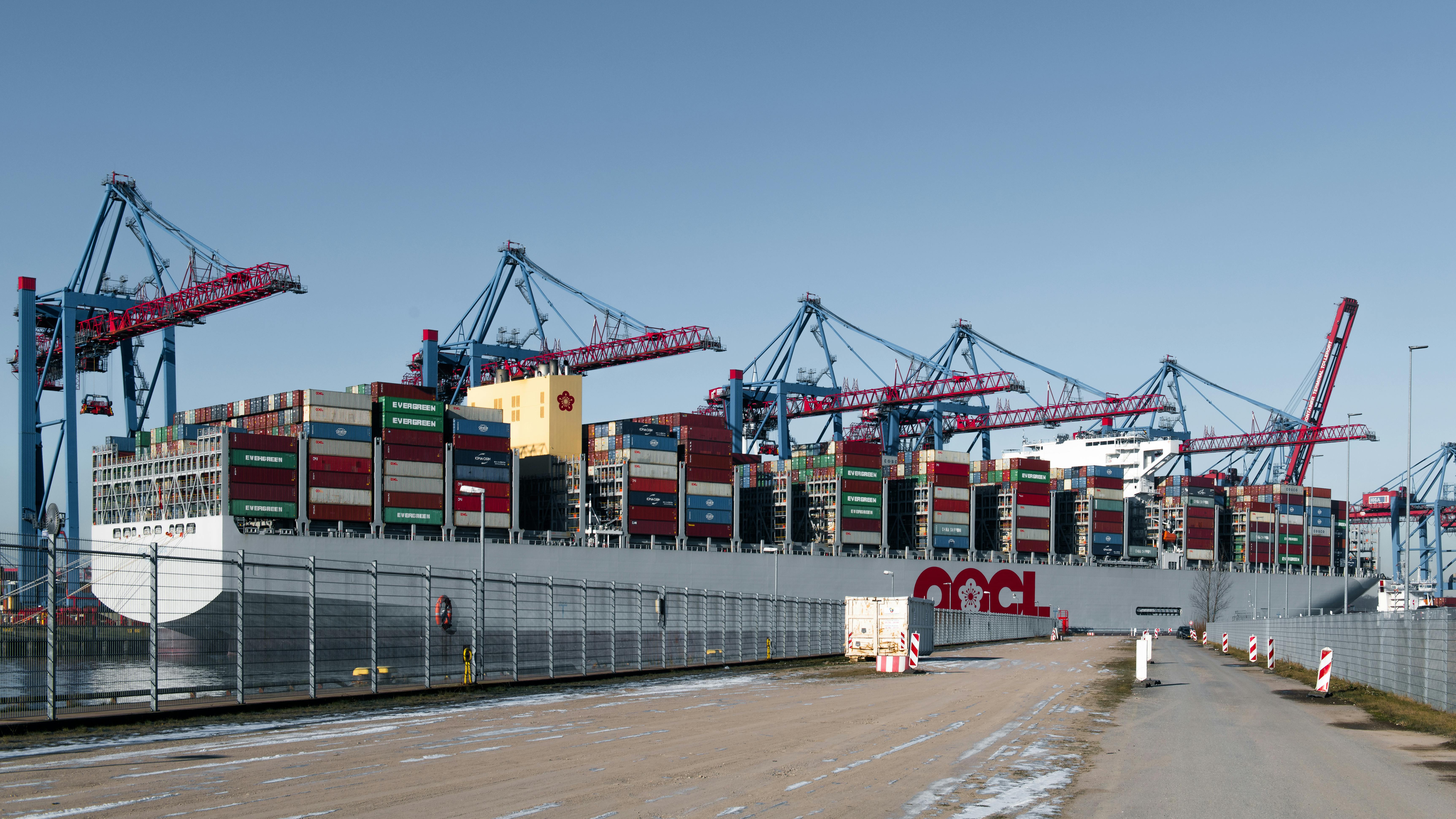
Vehicle age dramatically impacts import duty costs when shipping cars from the UK and Japan to Kenya. Understanding Kenya's depreciation-based duty system is essential for profitable vehicle exports and accurate cost planning.
Kenya imports thousands of used vehicles annually, primarily from the UK and Japan. The government uses age-based duty calculations that can significantly affect your total landing costs and profit margins.
Kenya's Car Import Duty Structure
Kenya's import duty system includes four main components: import duty, excise duty, VAT (16%), and Import Declaration Fee (IDF). The Kenya Bureau of Standards (KEBS) also requires vehicle inspection and certification.
Import duties vary based on engine size, vehicle type, and crucially, vehicle age. This age-based approach encourages newer vehicles while maintaining access to affordable used cars from established markets like the UK and Japan.
How Vehicle Age Determines Duty Rates
Kenya uses a sliding scale where newer vehicles face higher absolute duties but lower percentage rates relative to their market value. Older vehicles have lower absolute duties but higher effective rates.
Age Categories and Impact:
Under 1 year: Highest absolute duties, best value for premium buyers
1-5 years: Moderate rates, balanced market positioning
5-8 years: Increased rates with depreciation benefits
Vehicles over 8 years old face additional restrictions and environmental charges, creating distinct cost structures for UK and Japanese imports.
Strategic Implications for Importers
Optimal Age Windows: Vehicles aged 3-7 years often provide the best balance of duty costs and market value for both UK and Japanese imports.
Market Timing: Understanding duty threshold changes helps optimise shipping schedules and inventory management.
Source Selection: Compare UK vs Japanese vehicles considering age, condition, and duty implications for your target market segment.
Additional Import Costs
Beyond duties, factor in pre-shipment inspection fees ($150-300), port handling charges, and clearing agent fees. Insurance and shipping rates may vary based on vehicle age and declared value, affecting the overall cost equation for UK and Japanese imports.
Cost Optimisation Tips
Vehicle Selection: Focus on vehicles within optimal age ranges where duty rates balance with market demand.
Documentation: Ensure accurate age verification to avoid customs disputes and delays.
Local Partnerships: Work with experienced Kenyan clearing agents who understand duty calculations and can expedite customs clearance.
Market Research: Monitor Kenyan preferences for UK vs Japanese vehicles in different age categories to optimise inventory decisions.
Future Outlook
Kenya's automotive policies continue evolving toward environmental sustainability, likely increasing age restrictions and duties on older vehicles. Both UK and Japanese exporters should expect stricter emissions standards and enhanced digital customs processing.
Market demand increasingly favours newer, fuel-efficient vehicles, suggesting optimal age ranges for profitable imports may shift toward younger vehicles from both source markets.
Understanding how vehicle age affects Kenya's import duties enables better sourcing decisions, accurate cost projections, and profitable operations when importing from the UK and Japan. Success requires balancing duty costs with market demand while adapting to evolving regulations and customer preferences in Kenya's dynamic automotive market.
.png?alt=media&token=ec4d26b4-4ff3-4a95-bec1-3ec43ae8a5b4)
.png?alt=media&token=761162f5-428b-481b-b29b-9f57a208d011)