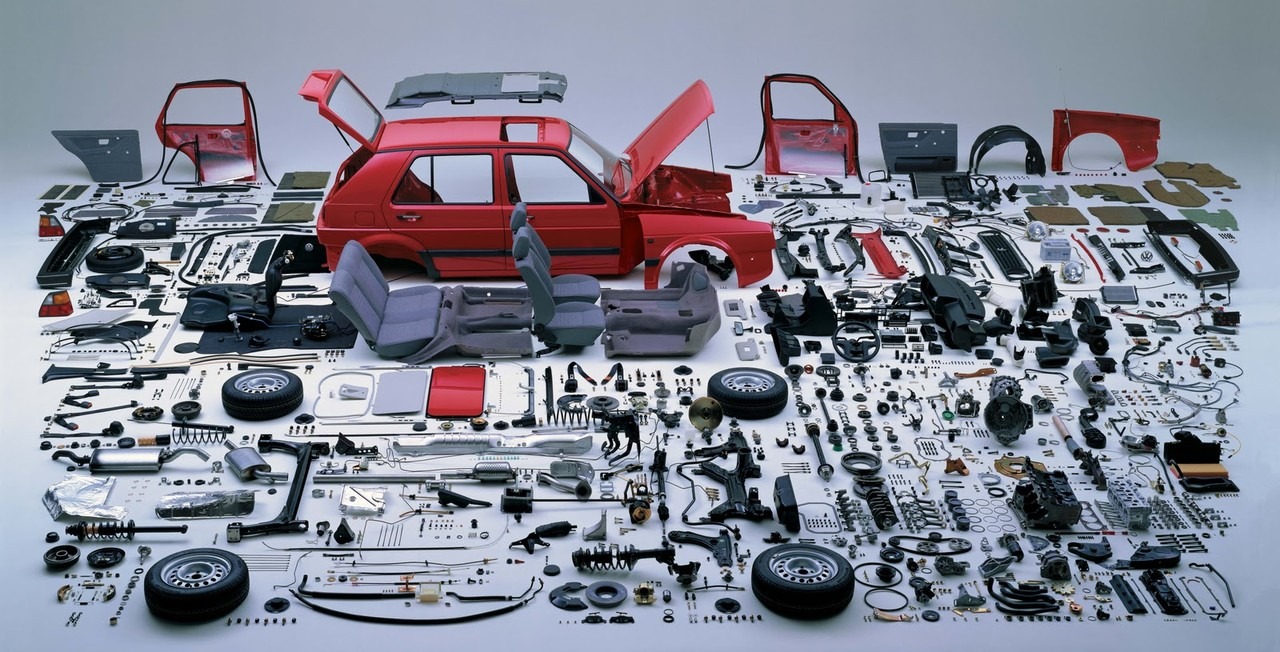
OEM vs Aftermarket Parts for Imported Cars: Cost, Quality & Reliability
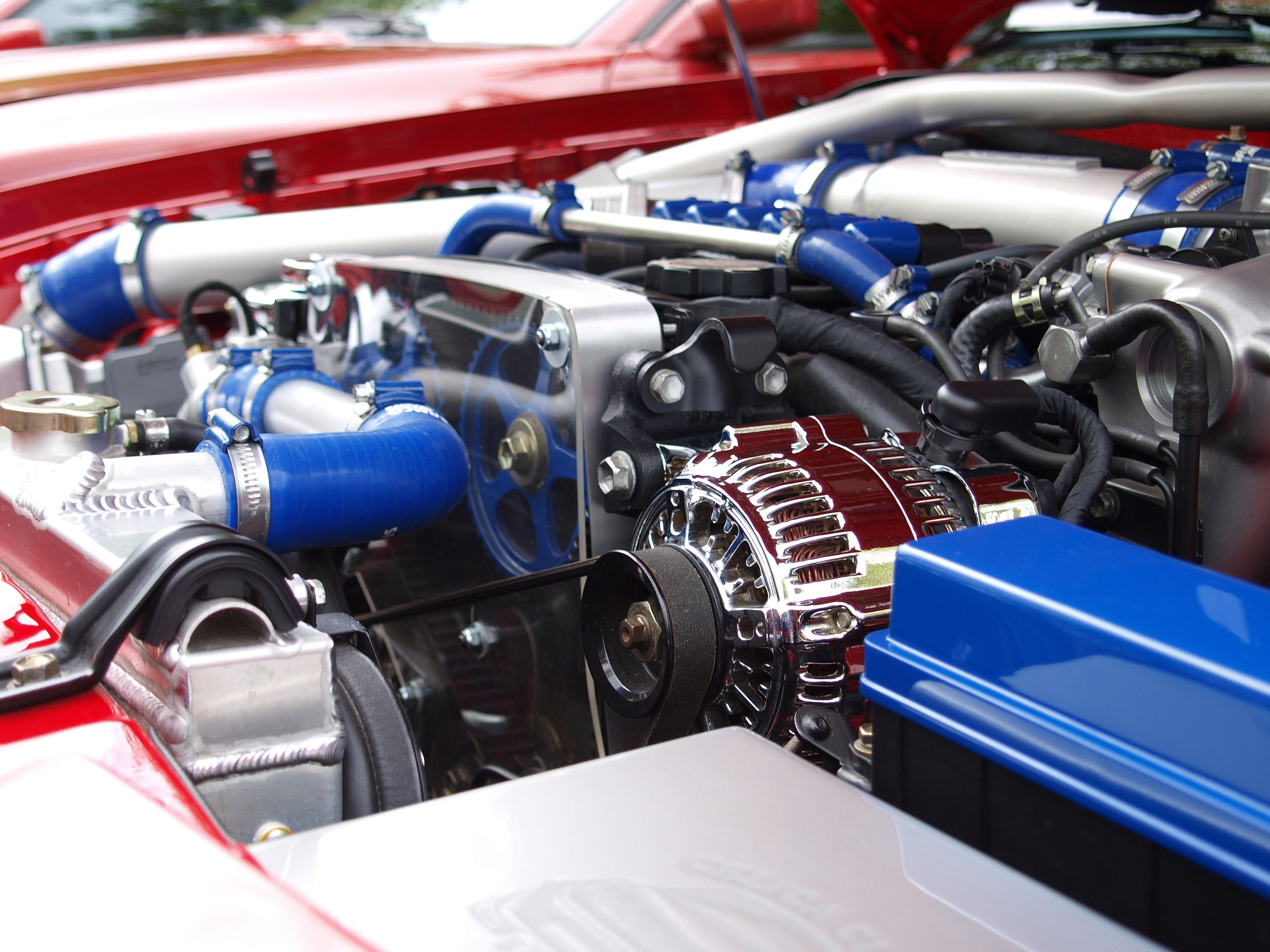
If you own an imported vehicle in Kenya, one of the biggest maintenance decisions you'll face is whether to buy OEM parts or aftermarket parts.
Many drivers assume aftermarket parts are always inferior, while others believe paying extra for OEM parts is unnecessary. The truth lies somewhere in between.
Choosing the right spare part can affect your vehicle's safety, reliability, fuel efficiency, and long-term maintenance costs. This guide explains the differences so you can make the best decision for your imported car.
Summary
OEM (Original Equipment Manufacturer) parts are built to the manufacturer's specifications and offer guaranteed fit and reliability. High-quality aftermarket parts can also provide excellent performance at a lower cost, but quality varies significantly. For safety-critical systems like brakes and steering, OEM parts are generally the safest option, while many routine maintenance items can be replaced with reputable aftermarket alternatives.
What Are OEM Parts?
OEM stands for Original Equipment Manufacturer.
These are components manufactured to the same specifications as the parts originally installed in your vehicle. In many cases, they are produced by the same supplier that built the original part, ensuring identical fit, performance, and quality.
OEM parts are ideal for drivers who want maximum reliability and factory-standard performance.
Benefits of OEM Parts
Perfect fit with your vehicle
Consistent quality
Manufacturer-backed standards
Better long-term reliability
Lower risk of compatibility issues
The downside is cost. OEM parts typically cost more because they are manufactured to strict standards and often distributed through authorised channels.
What Are Aftermarket Parts?
Aftermarket parts are manufactured by third-party companies rather than the vehicle's original supplier.
The aftermarket industry ranges from premium manufacturers that produce parts meeting or exceeding OEM specifications to low-cost copies that may not meet acceptable quality standards.
Not all aftermarket parts are the same. Premium aftermarket brands often perform exceptionally well, while unbranded components can wear out quickly or even compromise vehicle safety.
OEM vs Aftermarket Parts Comparison
Feature | OEM Parts | Aftermarket Parts |
Cost | Higher | Usually lower |
Fitment | Exact factory fit | Can vary |
Availability | Sometimes limited | Widely available |
Reliability | Very high | Depends on the manufacturer |
Warranty | Often included | Varies |
Performance | Factory standard | Can match or exceed OEM |
Which Parts Should Always Be OEM?
Some components directly affect your safety and should generally be replaced with OEM or manufacturer-approved alternatives.
These include:
Brake components
Airbag sensors
Steering components
Suspension parts
ABS modules
Engine control modules (ECUs)
Critical electronic sensors
Using trusted OEM parts helps maintain the safety systems your vehicle was designed with.
When Are Aftermarket Parts a Good Choice?
Quality aftermarket parts can be an excellent option for:
Air filters
Cabin filters
Wiper blades
Spark plugs
Batteries
Floor mats
Exterior accessories
For older imported vehicles, premium aftermarket parts often offer excellent value without compromising reliability. The key is choosing reputable manufacturers rather than simply selecting the cheapest option.
How to Choose High-Quality Aftermarket Parts
When buying aftermarket parts:
Purchase from trusted suppliers.
Verify the correct part number.
Ask about warranties.
Avoid suspiciously cheap products.
Check manufacturer certifications.
Confirm compatibility using your VIN or chassis number.
A genuine premium aftermarket part is often a better investment than a counterfeit component falsely marketed as OEM.
Beware of Counterfeit Parts
Counterfeit spare parts remain a challenge in many markets.
Warning signs include:
Extremely low prices
Poor packaging
Missing serial numbers
No warranty
Unknown manufacturers
Incorrect branding
Counterfeit parts can lead to premature failure, expensive repairs, and safety risks. Always buy from reputable suppliers who can verify authenticity.
Frequently Asked Questions
Are OEM parts always better?
OEM parts provide guaranteed compatibility and consistent quality. However, reputable aftermarket manufacturers can produce parts that perform just as well for many applications.
Are aftermarket parts safe?
Yes, if they come from established manufacturers and are suitable for your specific vehicle. Avoid unbranded or counterfeit products.
Will aftermarket parts affect resale value?
Using quality replacement parts for routine maintenance generally has little impact. However, maintaining service records and using OEM parts for major repairs may help preserve resale value.
Why are OEM parts more expensive?
OEM parts are manufactured to strict specifications, undergo extensive quality testing, and are supplied through authorised distribution channels, which increases their cost.
Conclusion
There is no one-size-fits-all answer.
For safety-critical systems, OEM parts are usually the best choice because they provide reliable fit, proven performance, and peace of mind. This article helps you know how to choose genuine parts for your imported car.
For routine maintenance, high-quality aftermarket parts can reduce ownership costs while delivering excellent performance.
The most important factor is not simply whether a part is OEM or aftermarket—it is buying from a trusted supplier and avoiding counterfeit products.
At UK RoadRunner, we don't just help customers import quality vehicles. We also help source genuine spare parts for European models and guide our customers toward reliable maintenance solutions that protect their investment for years to come. Contact us today to import your vehicle or car spare parts, which are delivered weekly to Nairobi!