The Cost of Exporting a Vehicle from the UK: A Comprehensive Guide
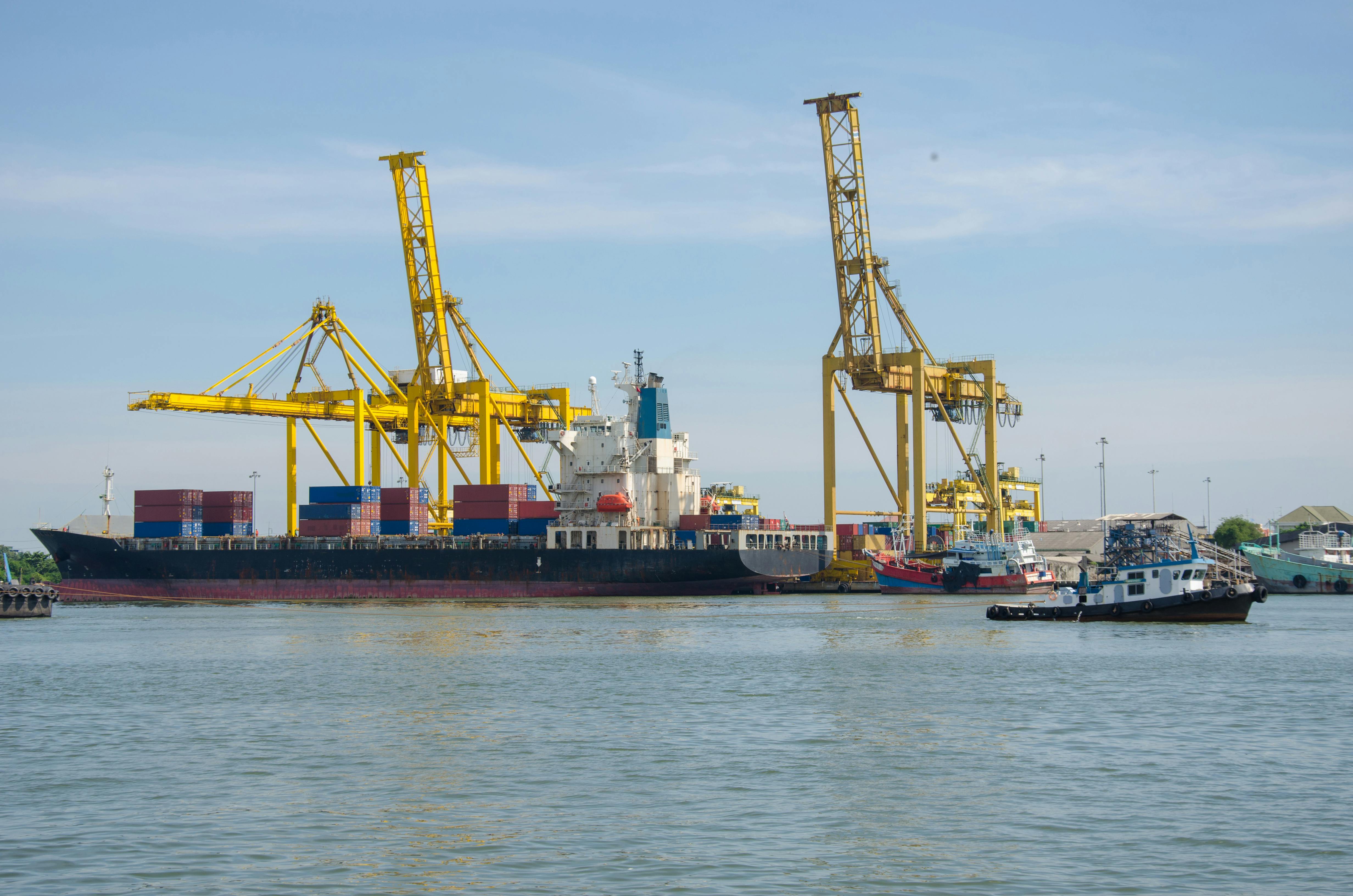
Exporting a vehicle from the UK can seem like a complex process, with multiple factors influencing the overall cost. Whether you’re seeking the reliability of European vehicles or looking to access premium models not readily available in your country, understanding the costs involved is important. At UK RoadRunner, we’ve helped countless clients export vehicles efficiently and affordably, leveraging our expertise to simplify the process.
In this guide, we’ll provide a transparent breakdown of the costs involved in exporting a vehicle from the UK. With the right partner—like UK RoadRunner—you can navigate these complexities smoothly.
Understanding the Cost Factors
Exporting a vehicle from the UK involves more than just shipping costs. Multiple variables influence the final price, including:
Vehicle-Specific Costs: Size, weight, and value of the vehicle.
Destination Country: Import regulations and distance from the UK.
Shipping Method: Roll-on/roll-off, containerised, or air freight.
Required Services: Documentation, pre-export inspection, and insurance.
These factors collectively determine the total cost, and it’s important to consider each in detail to avoid unexpected expenses.
Breakdown of Costs
1. Vehicle-Specific Costs
The make and model of your vehicle significantly affect shipping costs. Smaller vehicles like sedans are typically cheaper to ship, while larger ones like SUVs, vans, or speciality vehicles may incur higher fees due to their weight and dimensions.
The vehicle's value also influences the cost, as higher-value vehicles often require additional insurance coverage for export. At UK RoadRunner, we specialise in exporting a wide range of vehicles and ensure all vehicles are appropriately assessed and secured before shipment.
2. Destination Country
The distance between the UK and the destination country plays a pivotal role in shipping costs. Closer destinations like Europe are generally more cost-effective, while shipping to regions like Africa, Asia, the USA or Australia will cost more due to longer transit times.
Import regulations vary by country, which also impacts the final costs. Some nations impose significant import duties or taxes, while others require pre-export modifications to comply with local standards. At UK RoadRunner, we stay updated on international import regulations, ensuring your vehicle meets all requirements and minimises delays.
3. Shipping Method
Choosing the right shipping method is vital to balancing cost and convenience:
Roll-on/roll-off (RoRo): This is the most affordable option, ideal for standard cars. Vehicles are driven directly onto the ship, secured, and then driven off at the destination. However, this method may not accommodate oversized or specialty vehicles.
Containerised Shipping: This offers greater security, with vehicles placed in containers for added protection. Costs vary depending on the container size and whether it’s shared or exclusive.
Air Freight: The fastest and most secure method, air freight is best suited for high-value vehicles. However, it is the most expensive option and is typically reserved for rare or luxury cars.
At UK RoadRunner, we guide our clients to select the shipping method that best meets their needs and budget.
4. Required Services
Several services are essential for a smooth export process:
Documentation: From export certificates to bills of lading, ensuring the correct paperwork is completed is critical. Fees for these documents can vary depending on the destination.
Pre-export Inspection: Many countries require vehicles to pass inspections before shipping. These inspections verify roadworthiness and compliance with local standards.
Insurance: Marine insurance covers potential damage during transit. Costs depend on the vehicle’s value and the shipping route.
At UK RoadRunner, we handle all the required services and offer advice where necessary to ensure a seamless export process.
Additional Cost Considerations
Unforeseen Costs
Unexpected delays, such as customs clearance issues or additional inspections at the destination port, can result in extra charges. Partnering with an experienced company like UK RoadRunner reduces the likelihood of such surprises since they keep you informed every step of the way.
Fuel and Cleaning
Many shipping companies require vehicles to have minimal fuel before transport for safety reasons. Additionally, some destinations demand thorough vehicle cleaning to prevent the spread of invasive species. These small but important details can add to your costs. At UK RoadRunner we handle this for our clients.
Cost-Saving Tips
Shop Around for Quotes
Obtaining multiple quotes ensures you get competitive rates. UK RoadRunner offers transparent pricing and customised solutions tailored to your needs.
Consider Shipping Seasons
Shipping costs can fluctuate with demand. Booking during off-peak seasons can lead to significant savings.
Plan and Book Early
Securing your shipping slot in advance helps avoid last-minute surcharges and ensures timely delivery.
Utilise Consolidation Services
For smaller vehicles, sharing a container with other shipments can be a cost-effective option. At UK RoadRunner, we facilitate consolidation services for clients looking to save on shipping costs.
Conclusion
Exporting a vehicle from the UK involves a range of costs, from shipping and documentation to insurance and compliance with destination regulations. By understanding these cost factors, you can make informed decisions and avoid unnecessary expenses.
At UK RoadRunner, we pride ourselves on being a reliable and trustworthy partner for vehicle exports. With years of experience, a commitment to quality, and thorough inspections for every vehicle we handle, we ensure your export process is smooth and stress-free.
Ready to export your vehicle? Contact UK RoadRunner today for a free quote and personalised export plan tailored to your needs.