Tips for successfully Importing a Car in Kenya
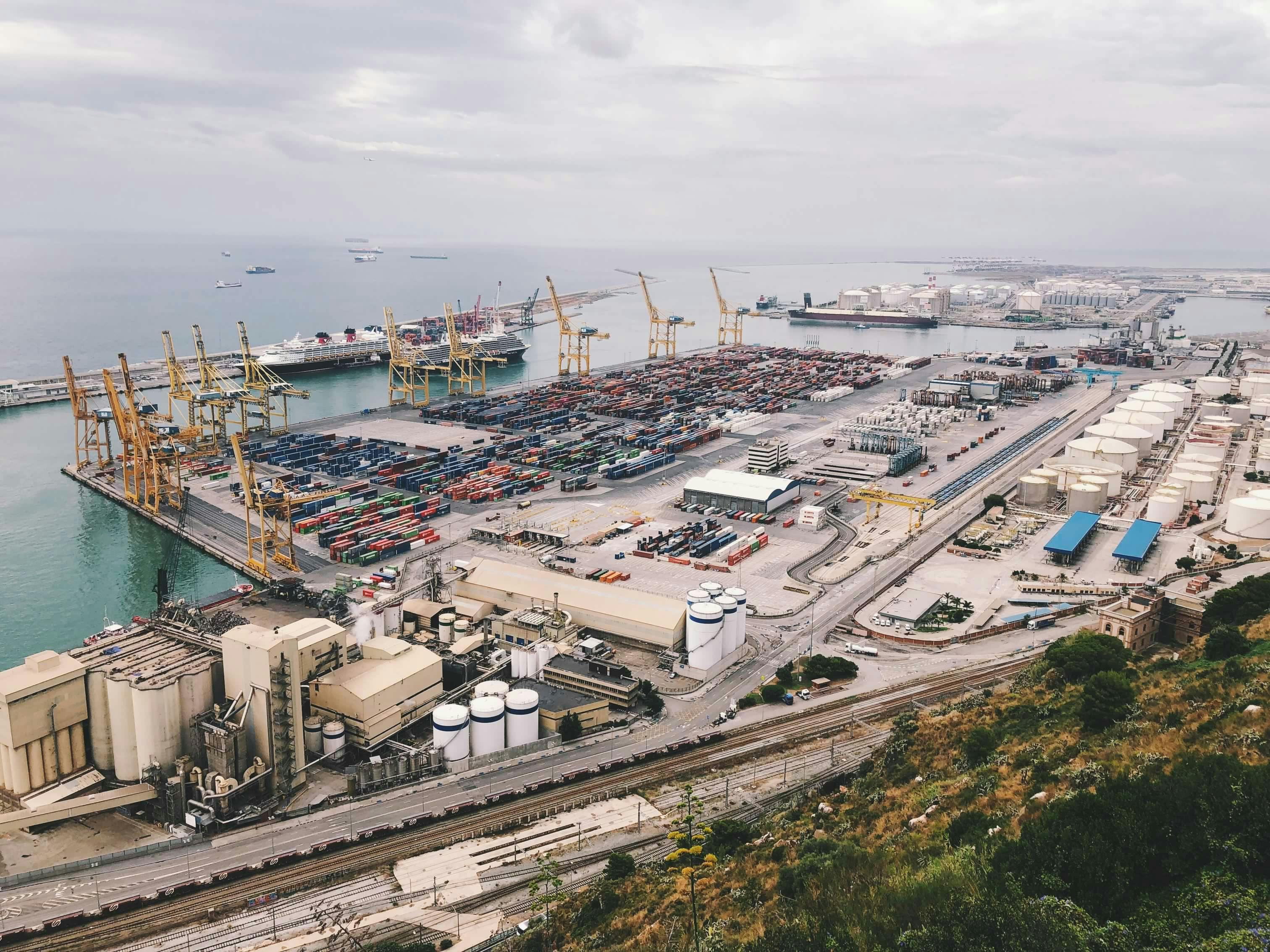
Importing a car into Kenya can be a difficult task, but with the right partner, it can be a smooth and successful process. In this guide, we will show you how a reputable dealer like UK RoadRunner can help you at every step of the car importation process in Kenya.
1. Research and Understand the Car Import Regulations
Before you begin the importation process, become acquainted with Kenya's car import regulations. To avoid complications during the process, make sure your chosen vehicle meets the KEBS vehicle import requirements and follows these rules. At UK RoadRunner, we start by advising you on Kenya's car import regulations. We provide you with the most recent information on age restrictions and import duties, ensuring that your chosen vehicle complies with these regulations.
2. Select a Reliable Source
Choose a reputable source when purchasing a new or used car. When buying from a foreign dealer, look into their reputation and history. We take pride in being a reliable source for car imports into Kenya. UK RoadRunner has a well-established reputation and a track record of delivering for its clients, ensuring you have access to a dependable source for your vehicle needs. To ensure transparency and the highest level of trust, we provide you with detailed vehicle maintenance and service history and conduct extensive checks on the vehicle's history.
3. Plan your budget
Budgeting is an essential part of car importation. The cost of importing a car includes the purchase price, shipping fee, customs and import duties, taxes, and local registration charges. Create a detailed budget to understand the total costs. Prepare for potential cost fluctuations due to currency exchange rates or unexpected tax increases by the government. UK RoadRunner provides transparent pricing, including a breakdown of all expenses that you can expect. We work with you to develop a detailed budget that considers the purchase price, import duties, taxes, freight charges, and local registration charges, avoiding any surprises along the way.
4. Check the documentation
Ensure that all required documents are in order. These include the logbook, inspection certificates, bill of lading, and import permits for the vehicle. A thorough review of the paperwork will assist you in avoiding complications during the clearance process in Mombasa. We recognise the significance of accurate and complete documentation. UK Roadrunner will walk you through the documentation process, ensuring that all necessary paperwork is in order, and provide a smooth and hassle-free clearance process.
5. Work With an Experienced Clearing Agent
Navigating customs procedures can be complex. Engage the services of an experienced clearing agent to assist with the importation process. UK RoadRunner has a trusted, extensive network of skilled clearing agents who will ensure a smooth customs clearing experience. We handle the complicated customs procedures, making certain that all paperwork is completed correctly and efficiently. You can rely on our knowledge to speed up the clearance process.
6. Select the Best Shipping Method
Choose a reputable international shipping company that specialises in car shipping to Mombasa. Consider shipping your car in a container or using the roll-on/roll-off (Ro-Ro) method. Consult with your shipping company to determine which option is best for your vehicle. UK Roadrunner works with reputable international shipping companies that specialise in car shipping to Kenya. We assist you in deciding the best shipping method for your vehicle and give recommendations to ensure that your vehicle arrives safely, cost-effectively and in good condition.
7. Plan for Clearing and Registration
When your vehicle arrives in Kenya, it will need to be cleared through customs and registered. UK RoadRunner will help you gather all necessary documents ahead of time. Our services at UK RoadRunner include assisting you with the clearing and registration processes in Kenya. We provide comprehensive support and guidance to ensure that your vehicle meets all local requirements and is properly registered.
8. Prepare for Possible Delays
Be prepared for possible delays during the importation process. Customs inspections, valuations, documentation issues, and other unforeseen circumstances can all cause delays. Maintain open lines of communication with your clearing agent and shipping company in order to address any delays as soon as possible. While delays are frustrating, UK RoadRunner assists you in preparing for and managing any potential setbacks. We keep open lines of communication with our clients and address any issues as they arise, minimising the impact of delays on your importation timeline.
Importing a car to Kenya can sometimes be complicated by paperwork, inspections, or other unforeseen issues. Patience is essential during this process, so plan for potential delays and keep in close contact with your clearing agent or car dealer. With UK RoadRunner, we will keep you updated at all times and resolve any issues as soon as possible.
Conclusion
By following these guidelines, you can improve your chances of successfully importing a car that meets your requirements while also complying with Kenyan car import regulations.
Thorough research, clear communication, and working with reputable professionals are all necessary components for a successful car importation in Kenya. When you import a car into Kenya with UK RoadRunner, you are embarking on a journey guided by expertise, transparency, and dependability. You can navigate the complexities of the importation process with confidence.
.png?alt=media&token=ec4d26b4-4ff3-4a95-bec1-3ec43ae8a5b4)
.png?alt=media&token=761162f5-428b-481b-b29b-9f57a208d011)