Wheel Alignment and Balancing: Why It Matters and When to Do It
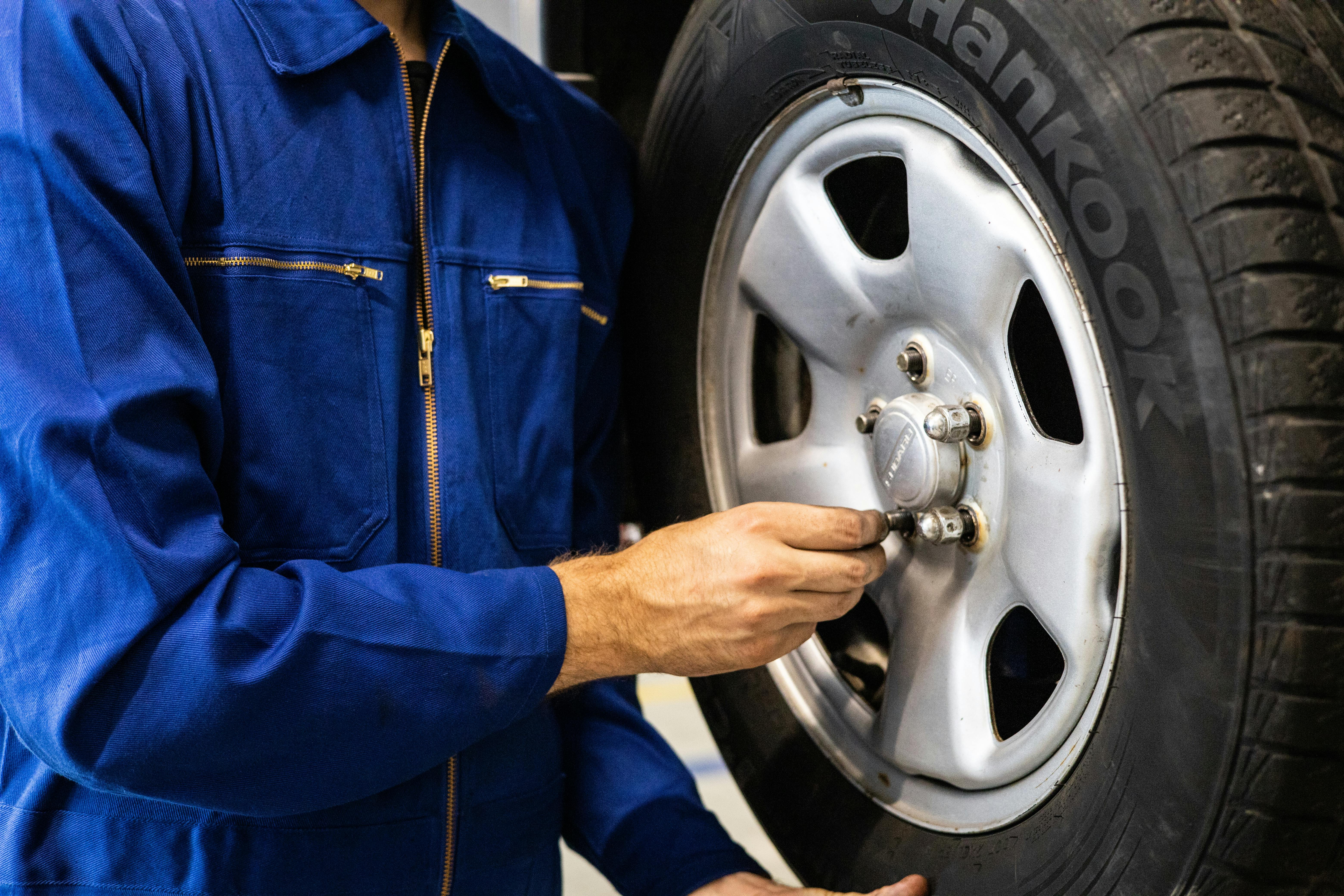
Proper wheel alignment and balancing are fundamental aspects of vehicle maintenance that many car owners overlook until they notice problems. However, keeping your wheels aligned and balanced is essential for ensuring safety, extending tyre lifespan, and maintaining fuel efficiency. Understanding these two critical services can save you money and keep you safe on the road.
What is Wheel Alignment?
Wheel alignment refers to the adjustment of your vehicle's suspension system to ensure that all four wheels are pointing in the correct direction. During an alignment service, technicians measure and adjust three primary angles: camber, caster, and toe. These angles determine how your tyres make contact with the road surface. When your wheels are properly aligned, they work together harmoniously, providing optimal traction, handling, and safety.
Misalignment can occur gradually due to normal wear and tear, or it can happen suddenly when you hit a pothole, curb, or experience a collision. Many drivers in Kenya and East Africa, who import luxury vehicles from the UK, often face alignment challenges due to varying road conditions and the adjustment period needed after vehicles arrive in their new climate.
Understanding Wheel Balancing
Wheel balancing is a separate but equally important service. While alignment ensures your wheels point in the right direction, balancing ensures that the weight of each wheel and tyre is distributed evenly around the axle. When wheels are unbalanced, they create vibrations that travel through the suspension and steering system, affecting comfort and vehicle performance.
Imbalance typically develops due to uneven tyre wear, damaged wheels, or the natural accumulation of dirt and debris on the rim. Even small imbalances can become noticeable, particularly at highway speeds, causing your steering wheel to vibrate or your entire vehicle to shake.
Why Both Services Matter for Your Vehicle
Wheel alignment and balancing work together to optimise your vehicle's performance. Proper alignment reduces uneven tyre wear, improves fuel efficiency, and enhances handling characteristics. Balancing eliminates vibrations and extends the life of your suspension components. Without both services, your vehicle experiences premature tyre wear, decreased safety, increased fuel consumption, and potential damage to suspension parts that might require costly replacements.
At UK Roadrunner, we understand that maintaining imported vehicles in different climates can be challenging. That's why we import spare parts directly from the UK and deliver them weekly across Kenya for every European model vehicle. Whether you need replacement suspension components, new tyre sensors, or other alignment-related parts, our reliable supply chain ensures you have access to genuine components without lengthy delays. Our direct UK imports guarantee compatibility and quality for your vehicle.
Warning Signs Your Wheels Need Alignment
Several indicators suggest your vehicle requires professional wheel alignment. If your car pulls consistently to one side while driving on a straight road, misalignment is likely the culprit. Uneven tyre wear patterns, where one edge of the tyre wears faster than the other, clearly indicate alignment problems. A vibrating or off-centre steering wheel that feels loose or unresponsive is another red flag. Additionally, if you notice your vehicle feels unstable during cornering, or if the steering wheel doesn't return to centre smoothly after a turn, these are signs that alignment adjustment is needed.
Some drivers experience these issues after driving on poorly maintained roads or hitting obstacles. UK Roadrunner customers who have imported luxury vehicles from the UK to Kenya and Southern Africa often notice alignment needs after extended journeys on varied terrain.
When to Balance Your Wheels
Wheel balancing should occur whenever you install new tyres, as this is the most common time imbalance develops. If you notice vibration specifically at certain speeds, particularly on the highway between 60 and 80 kilometres per hour, this suggests an imbalance that needs correction. Visible damage to wheels or tyres, such as flat spots or bulges, requires balancing or replacement. Most professionals recommend balancing your wheels annually or every 15,000 kilometres, whichever comes first.
Following an accident or significant impact, balancing should be part of your inspection process. Since many European luxury cars imported into Kenya, East Africa and Southern Africa are high-performance vehicles, maintaining proper balance is crucial for their sophisticated suspension systems to function correctly.
Professional Maintenance With UK Roadrunner
Understanding the importance of these services is one thing, but having access to quality parts and reliable service is another. UK Roadrunner specialises in importing European model car spare parts to Kenya, and we also import luxury cars from the UK to Kenya and East and Southern Africa for right-hand drive countries. Our expertise encompasses understanding the specific needs of imported vehicles in various climates and road conditions.
We import spare parts directly from the UK and deliver them weekly for all European model vehicles to Kenya, ensuring that whatever alignment or balancing components you need are available promptly. Whether you require suspension bushings, tie rods, control arms, or other alignment-related parts, our direct UK supply chain eliminates waiting times and ensures genuine component quality.
Maintaining Your Wheels Between Services
Beyond professional alignment and balancing, you can extend the life of your wheels through proper maintenance. Check your tyre pressure monthly, as underinflated or overinflated tyres contribute to both alignment and balancing issues. Inspect your tyres regularly for uneven wear patterns, which are early warning signs of alignment problems. Drive carefully and avoid potholes, curbs, and rough terrain when possible, as these are common causes of misalignment.
Rotate your tyres every 7,500 to 10,000 kilometres to promote even wear and extend their lifespan. This simple maintenance task can prevent many alignment and balancing issues from developing in the first place. For vehicle owners in challenging driving conditions, particularly those with luxury imports from the UK operating in Kenya and Southern Africa, regular inspections become even more critical.
Conclusion
Wheel alignment and balancing are not optional maintenance tasks; they are essential services that directly impact your safety, comfort, and wallet. By recognising warning signs and scheduling regular professional service, you can prevent costly damage and enjoy a smoother, safer driving experience. UK Roadrunner remains committed to supporting vehicle owners across Kenya with direct UK spare parts imports delivered weekly for all European model vehicles. Whether you own a standard vehicle or a luxury import to Kenya, East Africa, or Southern Africa, proper wheel maintenance ensures your investment continues performing optimally for years to come.