Why Pre-Shipment Inspection (PSI) Matters & How to Avoid Inspection Failures
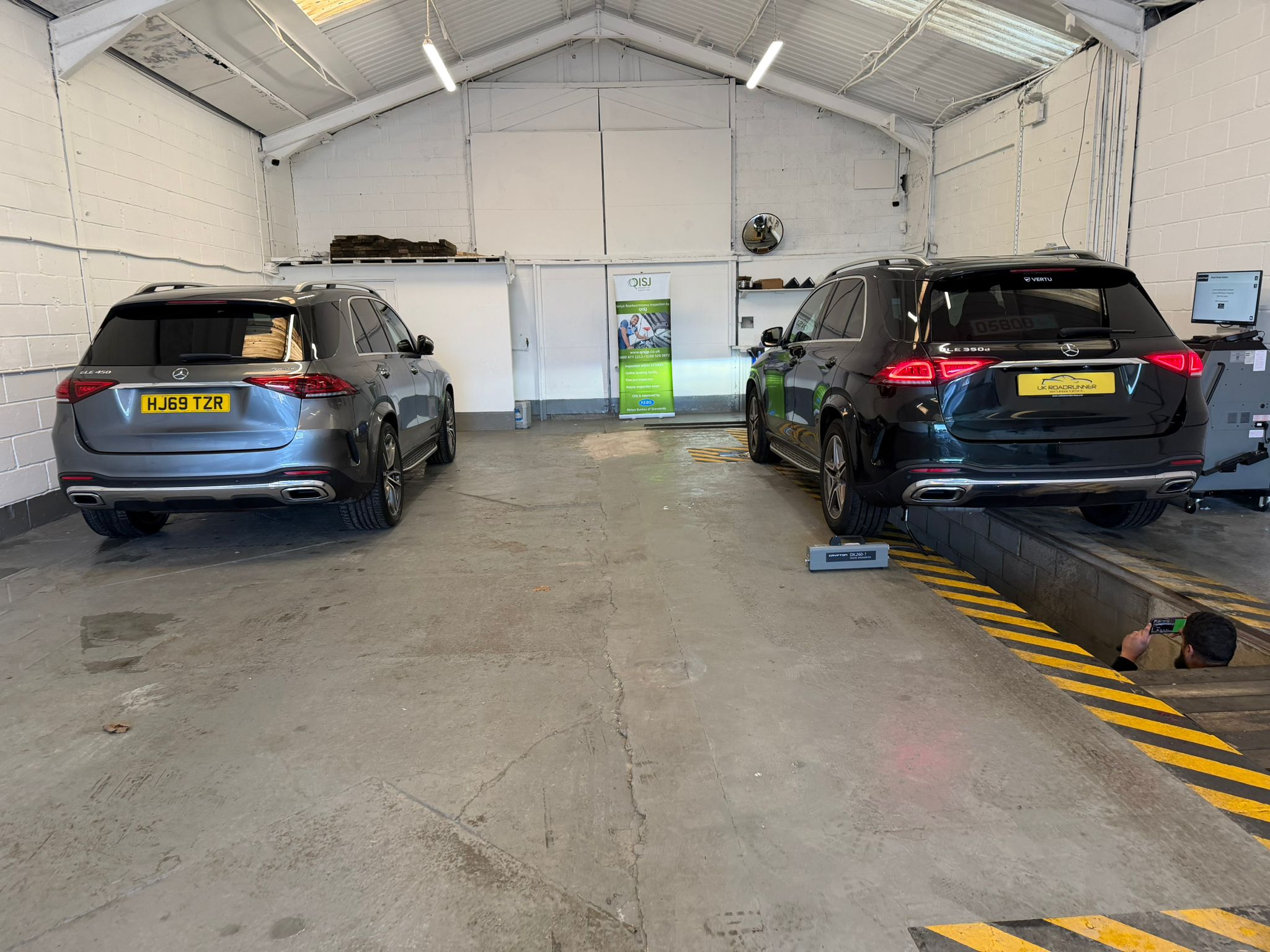
If you’re planning to import a vehicle from the UK to East Africa, one of the most critical steps you’ll encounter is the Pre-Shipment Inspection (PSI). Whether you are importing to Kenya, Tanzania, Uganda, Zambia, or Malawi, PSI is a mandatory requirement designed to ensure vehicles meet safety, environmental, and legal standards before they leave the port of export.
Many buyers underestimate how important PSI is until a vehicle fails inspection and they are hit with delays, penalties, or unexpected costs at the destination port. This guide breaks down why PSI matters, what inspectors look for, and how you can avoid common mistakes that lead to inspection failures.
Why Pre-Shipment Inspection Matters
Pre-Shipment Inspection is a protective measure for both governments and buyers. African countries require PSI to prevent unsafe vehicles, tampered mileage, or environmentally non-compliant cars from entering their markets. The inspection is conducted by approved agencies such as JEVIC, SGS, QISJ, or Bureau Veritas, depending on the destination country.
PSI plays several crucial roles:
1. Ensures Legal Compliance
Most East African countries enforce strict vehicle standards. PSI verifies your car’s year of manufacture, roadworthiness, emissions compliance, and overall condition, ensuring it meets the destination country’s regulations.
2. Prevents Delays at the Destination Port
Vehicles without PSI certification often face heavy penalties or forced re-inspection on arrival. This can delay clearance by weeks and increase port storage fees.
3. Protects You From Fraud or Hidden Damage
PSI detects issues such as odometer tampering, structural damage, or missing safety components. This prevents you from paying full price for a car that may be unsafe or overvalued.
4. Guarantees a Smooth Clearance Process
With proper PSI certification, the vehicle moves through customs quickly, reducing stress and administrative bottlenecks.
What Pre-Shipment Inspection Covers
PSI is a detailed assessment that examines both the mechanical condition and authenticity of a vehicle. Although requirements vary by country, most inspections include:
Vehicle Age Verification
Destination countries like Kenya have strict age limits (e.g., eight years). PSI confirms that the year of manufacture matches official records.
Mileage & Odometer Check
Inspectors verify that the mileage displayed matches historical MOT, service records, and digital readings.
Roadworthiness & Safety Checks
This includes brakes, tyres, suspension, steering, lights, airbags, ABS systems, seatbelts, and engine health.
Structural Integrity
Vehicles are checked for accident damage, underbody rust, chassis repairs, and improper modifications.
Emissions Compliance
The car must meet environmental standards, particularly in countries with strict emissions rules.
Verification of Accessories & Tools
Items such as spare tyres, jack kits, fire extinguishers, and reflective triangles may be required.
Common Reasons Vehicles Fail PSI
Most PSI failures are avoidable. Understanding common causes can save you time and money.
1. Age Non-Compliance
If a vehicle exceeds the age limit set by the destination country, inspection agencies automatically reject it.
2. Odometer Tampering or Discrepancies
Mileage inconsistencies between MOT history and dashboard display are one of the biggest triggers for PSI failure.
3. Accident or Structural Damage
A repaired chassis, welded frame, or serious rust, especially on the underbody, can lead to rejection.
4. Missing or Faulty Safety Features
Airbags, seatbelts, ABS lights, or non-functioning headlights are often grounds for failure.
5. Mechanical Problems
Oil leaks, worn-out tyres, faulty brakes, or steering issues will not pass inspection.
6. Non-Compliant Modifications
Lowered suspensions, altered exhaust systems, aftermarket lighting, or extreme body changes may violate regulations.
7. Electrical Faults
Even simple issues, like a broken indicator or faulty brake light, can lead to inspection failure.
How to Avoid Pre-Shipment Inspection Failures
Fortunately, PSI failures can be prevented with proper preparation. Here’s how to ensure your vehicle passes smoothly:
Choose Verified and Reputable Sellers
Cars sourced from reputable UK dealerships or auction houses are more likely to meet PSI standards and have accurate documentation.
Conduct a Thorough Vehicle History Check
Use MOT history, HPI checks, and service records to verify mileage, accident history, and mechanical condition before purchase.
Confirm Country-Specific Requirements
Each country has different rules regarding age limits, safety standards, and inspection agencies. Verify these before selecting your vehicle.
Do Pre-Inspection Repairs
Fix all mechanical or electrical issues before booking PSI. A £200 repair in the UK could save you £1,000 in penalties later.
Avoid Accident-Repair Vehicles
Even well-repaired accident cars can fail due to structural concerns.
Ensure All Documents Are Ready
Missing or incorrect paperwork can invalidate the inspection or delay certification.
Book PSI Early
Last-minute bookings risk shipment delays or missed vessel cut-off dates.
How UK RoadRunner Helps You Pass PSI Stress-Free
Partnering with an experienced UK import specialist removes the stress from the entire process. At UK RoadRunner:
We Only Source Clean, Verified Vehicles
Every car is inspected, HPI-checked, and MOT-verified before purchase.
We Perform Pre-Purchase Mechanical Checks
Our team reviews engine health, structural integrity, and critical components before recommending a vehicle.
We Prepare the Vehicle for PSI
Lights, tyres, safety features, and mechanical systems are tested before the inspection is booked.
We Coordinate Directly With PSI Agencies
We handle appointments, submissions, follow-ups, and corrections where needed.
We Keep You Updated Throughout
You receive real-time updates on inspection status, vehicle readiness, and shipment timelines.
What Happens If You Skip PSI?
Skipping PSI for a country where it is mandatory can lead to severe consequences at the port, including:
High Re-Inspection Fees
Destination-side inspections cost significantly more than UK-based PSI.
Lengthy Clearance Delays
Your vehicle can be held for weeks awaiting inspection, verification, and approval.
Port Storage Charges
Daily storage fees can quickly accumulate into hundreds of pounds.
Possible Vehicle Rejection
In some cases, the only option is re-exporting the vehicle—an extremely costly mistake.
Conclusion
Pre-Shipment Inspection is one of the most essential steps in importing a vehicle from the UK. It protects you from fraud, ensures your car meets national standards, and prevents costly delays at the destination port. While PSI can seem technical, it becomes simple and stress-free when you work with the right partner.
At UK RoadRunner, we take care of the entire process, from sourcing the vehicle to preparing it for PSI, handling documentation, and coordinating shipping, so your car arrives on schedule and without complications.
If you're ready to import a reliable vehicle from the UK, contact us today for expert guidance and a smooth, hassle-free experience.