Why Professional Car Importers Cost Less in the Long Run
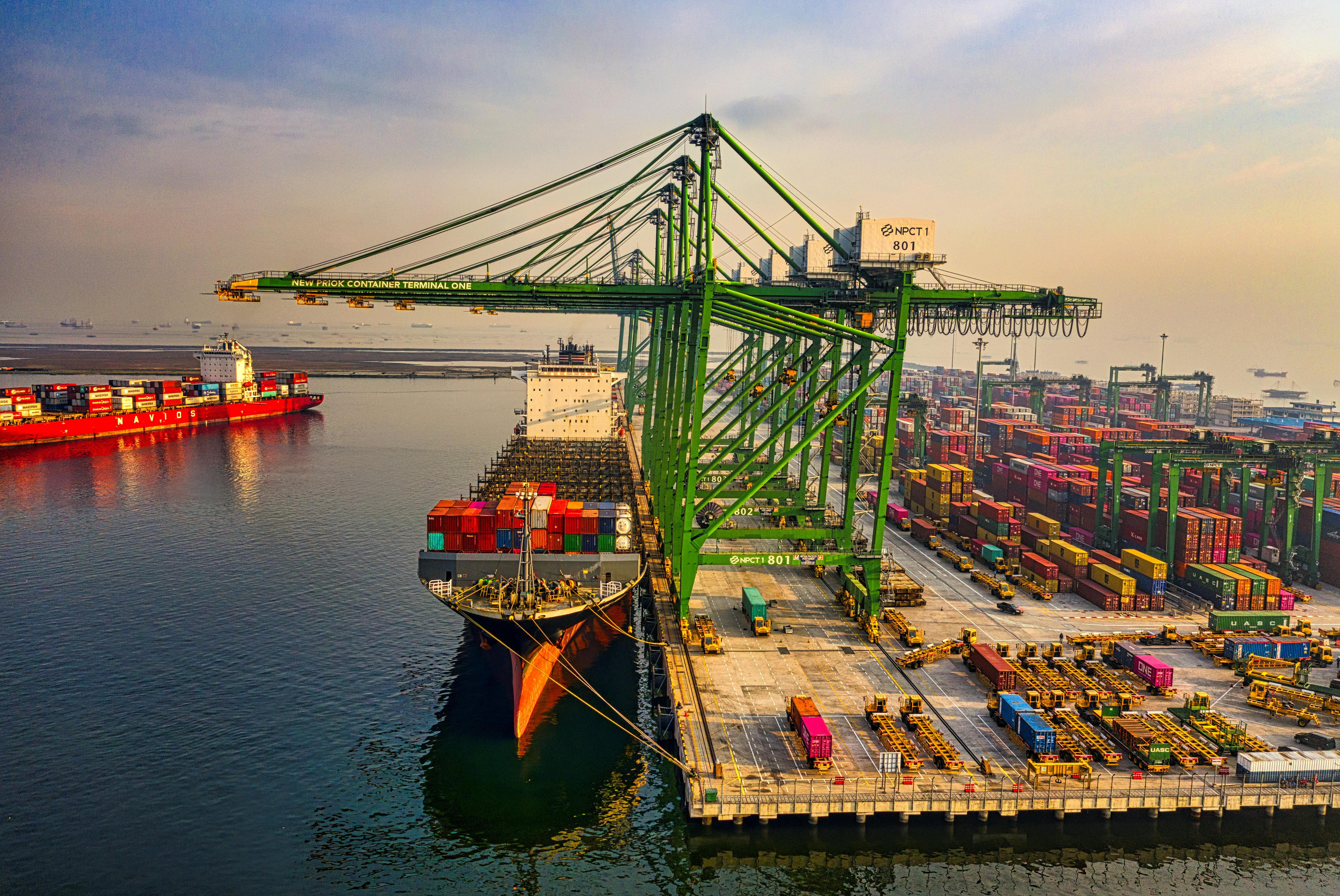
When it comes to car importation in Kenya, most people are worried about reducing the expenses involved in the initial process. It is always assumed that by taking charge of the entire process of importing a car, from making contact with a seller abroad to the shipping and customs clearance, one will automatically be able to get a better deal. On the surface, this appears to be more cost-effective since there is no service charge involved.
However, when it comes to car importation from the UK to Kenya or car importation from Japan to Kenya, there is a lot more that goes into the process than the cost of the car and the shipping charges. The actual cost of car importation to Kenya involves risk at every level, from procurement to paperwork, insurance, shipping, customs clearance, and even foreign exchange.
The fact of the matter is that car import companies in Kenya can actually be less expensive in the long run since they can help importers avoid costly mistakes that most new importers grossly underestimate.
The Hidden Financial Risks in Car Imports to Kenya
International vehicle importation is a regulated, multi-stage process. Whether you are dealing with UK car exporters to Africa or Japan car exporters to Africa, each transaction must align with export regulations, shipping compliance, Kenyan customs requirements, and valuation procedures.
Small errors can lead to:
Clearance delays at the Port, e.g., Mombasa Port
Storage and demurrage charges
Reassessment of customs value
Unexpected repair expenses
Insurance claim disputes
Reduced resale value
Professional importers do not simply “ship vehicles". They manage these risks before they become financial problems.
Real Example #1: The Undervalued Invoice That Triggered Penalties
One buyer who purchased a car from the UK claimed a lower invoice value in an effort to lower their duty exposure. Although it was declared at £14,000, the car was bought for £18,000.
Customs officials reevaluated the value upon arrival in Kenya using industry standards. In addition to the duty being higher than anticipated, the outcome also
Delays in clearance of almost three weeks
The cost of storage is increasing every day.
Extra sanctions for inaccurate valuation
What started out as temporary savings turned into a big financial loss. When importing a car to Kenya, professional importers lower the risk of valuation disputes by ensuring accurate documentation and correct customs classification from the start.
Real Example #2: Choosing Cheap Shipping Over Secure Shipping
Roll-on/roll-off (RoRo), containerised shipping, or air freight for ultra-high-value vehicles are the three primary shipping options that buyers usually select when exporting cars from the UK and Japan to Kenya or other RHD African nations.
One of the most dependable and popular ways to import cars into Kenya and throughout Africa is RoRo. It is reliable, economical, and efficient when handled correctly by reputable clearing networks and well-known shipping lines.
The shipping method is not the actual source of risk. It results from selecting the least expensive service provider instead of a reputable, organised logistics partner.
A buyer of a performance SUV from Japan, for instance, chose a cheap goods forwarder outside of a reliable exporter network. Although the shipping cost was appealing, there were a number of problems:
The car passed through a transhipment port with less robust security measures.
The transparency of the tracking was limited.
Delays were caused by port congestion.
Basic and ill-structured insurance coverage
Eventually, the car showed up with missing accessories and minor cosmetic dings. Although not disastrous, the buyer had to pay close to KES 180,000 for repairs and replacements. More significantly, buyer confidence at resale was diminished by the stress and delays.
A professional exporter, on the other hand, considers much more than price. They take into account:
Which shipping company is being used?
The ship's path
Standards for port security
Past trends in damage or theft
The last port of clearing
The scope of coverage and the structure of insurance
Sometimes exposure is greatly decreased by using a slightly different shipping route or departure port. There is more congestion or less security monitoring at some ports. A seasoned exporter chooses safer vessel routes and more dependable clearing techniques based on their understanding of shipping trends.
We at UK Roadrunner don't have a preferred shipping method. We make recommendations based on the risk profile, urgency, destination country, and vehicle value. Air freight, containerised shipping, and RoRo all have distinct uses. What matters most is that the shipping partner is tested, approved, and trusted within our professional network.
Selecting the "cheapest method" is not the only consideration when shipping expensive cars. They involve deciding on the best route, provider, insurance, and clearance plan.
The strength of the logistics network is more important than the shipping label when exporting cars from the UK and Japan to Kenya, Africa, and other countries.
Real Example #3: Misunderstanding Auction Grades in Japan
Auction purchases are frequently a part of Japan's automobile exports to Africa. Grading schemes on auction sheets must be carefully interpreted.
Assuming the car was in excellent condition, a buyer imported one that was graded "3.5" at auction. Mechanical inspection upon arrival in Kenya uncovered electronic malfunctions and previous accident repairs.
Expert importers with experience exporting cars from Japan to Kenya are aware of inspection reports, seller reputation, and auction grading. Prior to payment, problematic stock is filtered out.
Any apparent savings from avoiding expert services can be nullified by choosing the incorrect car.
Currency Timing and Exchange Rate Risk
The importation cost of a car to Kenya is directly influenced by exchange rates. The UK car imports are paid in GBP, while the payment for Japan car imports is in JPY.
A change of 2% in the exchange rate during the payment processing of a KES 6 million car translates to a KES 120,000 difference.
Expert importers track currency timing and advise on payment scheduling to minimise risks. Although this appears insignificant, exchange rate fluctuations can greatly affect the final importation cost.
Documentation Accuracy Protects Resale Value
When importing a car from the UK to Kenya, documentation integrity affects more than clearance—it affects resale.
Buyers in Kenya increasingly request:
Import declaration records
Correct customs valuation
Original auction or purchase documentation
Confirmation of shipping condition
If documentation appears questionable or valuation history seems inconsistent, resale value can drop by 10–20%.
On a KES 5 million vehicle, that reduction represents up to KES 1 million in lost equity.
Professional car import services in Kenya protect long-term asset value by ensuring compliance and transparent documentation from day one.
Exporting RHD Vehicles to Other African Countries
The same principles apply when exporting RHD vehicles from the UK and Japan to other African countries such as Zambia, Tanzania, Uganda, Malawi, and Zimbabwe.
Each country has:
Specific age restrictions
Roadworthiness requirements
Documentation standards
Tax structures
Mistakes in regulatory compliance can result in border delays or rejected imports.
Professional UK car exporters to Africa and Japan car exporters to Africa understand these country-specific regulations and coordinate exports accordingly.
Why Professional Importers Deliver Better Financial Outcomes
When comparing DIY imports with structured professional coordination, the difference becomes clear.
Independent imports may appear cheaper upfront, but they expose buyers to:
Compliance errors
Shipping damage
Insurance gaps
Valuation disputes
Repair surprises
Currency volatility
Professional importers operate as cost-control partners. They structure sourcing, shipping, insurance, and documentation to minimise financial uncertainty.
The service fee is often smaller than the cost of a single major mistake.
How UK Roadrunner Supports Car Imports to Kenya and Exports Across Africa
At UK Roadrunner, we specialise in:
Importing cars from the UK to Kenya
Importing cars from Japan to Kenya
Exporting RHD vehicles from the UK and Japan to other African countries
End-to-end shipping coordination
Marine insurance advisory
Documentation compliance support
Verified vehicle sourcing
Our approach focuses on risk reduction and financial clarity. From seller verification to port coordination, we manage the process so clients avoid avoidable losses.
When dealing with high-value vehicles, structured oversight is not an optional luxury—it is a financial safeguard.
Conclusion: Cheap Is Not Always Affordable
The cheapest way to import a car is rarely the most affordable outcome.
The true cost of importing a car to Kenya includes more than the purchase price and freight. It includes documentation precision, insurance protection, shipping method selection, currency timing, and regulatory compliance.
Professional importers exist because international vehicle trade is a complex process. Experience reduces risk. Structure prevents penalties. Oversight protects resale value.
Whether you are importing a car from the UK to Kenya, sourcing from Japan, or exporting RHD vehicles to other African markets, professional coordination often delivers a lower total cost even if the upfront fee appears higher.
In the long run, prevention is always less expensive than correction. And when importing vehicles worth millions of shillings, that difference matters.
.png?alt=media&token=ec4d26b4-4ff3-4a95-bec1-3ec43ae8a5b4)
.png?alt=media&token=761162f5-428b-481b-b29b-9f57a208d011)